
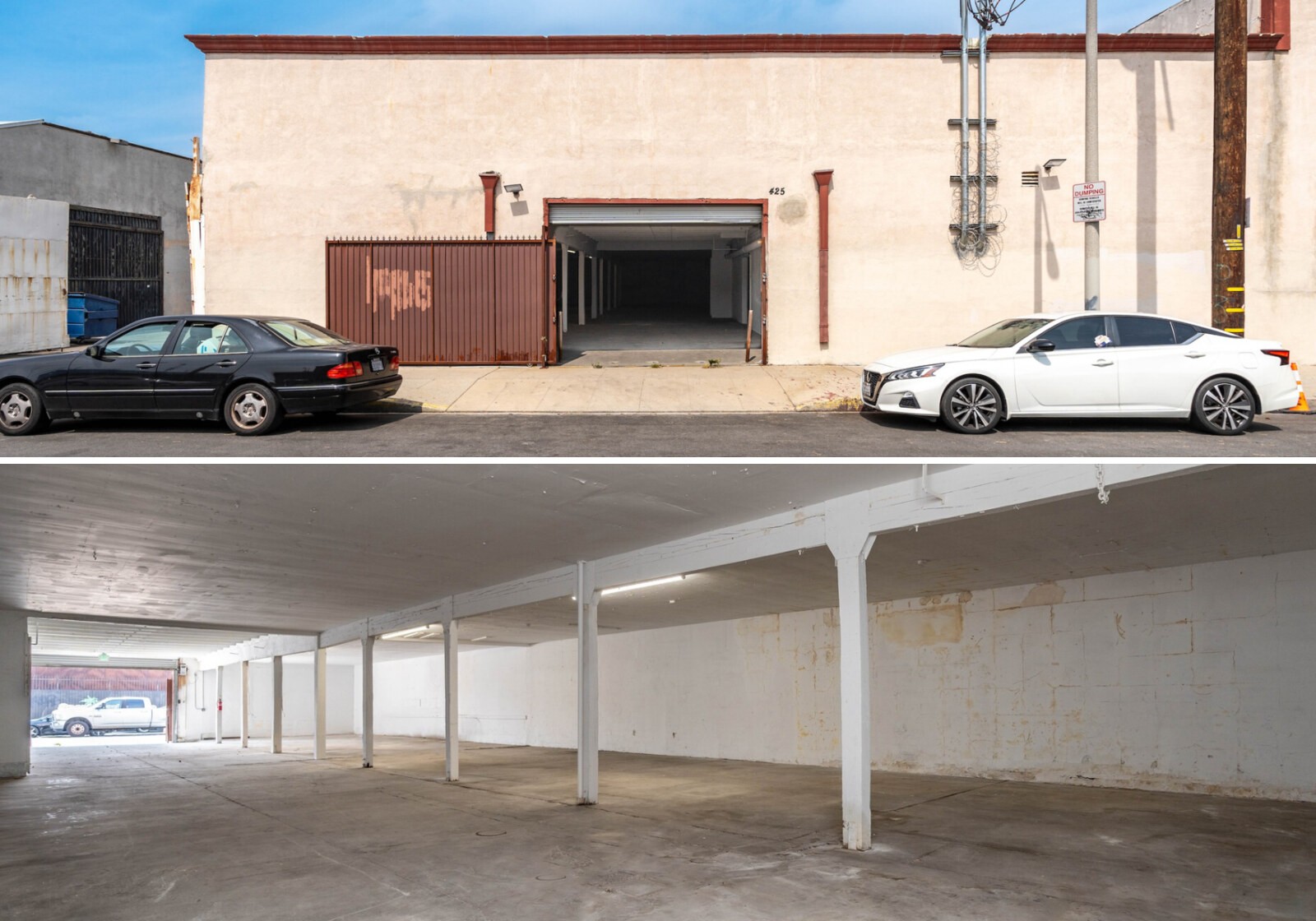
Two warehouses in the same corridor, same square footage, same advertised rent, can cost very different amounts to occupy. The difference is usually the lease structure. Most industrial space in Los Angeles is offered under one of two arrangements, an industrial gross lease or a triple net lease, and which one governs the building decides who pays the property taxes, the building insurance, the maintenance, and the operating costs that sit on top of base rent.
The terms sound more technical than they are. Both come down to a single question: which expenses are inside the rent, and which ones get billed to the tenant separately? This article answers that for each structure, shows what the difference does to a side-by-side comparison, and covers what to check in the lease itself before relying on either label.
How a Triple Net Lease Works
Under a triple net lease, usually written NNN, the tenant pays base rent plus a share of three categories of property expense: real estate taxes, the landlord’s building insurance, and maintenance and operating costs. Those three are the “nets.” In a multi-tenant building the share is typically proportional to the space occupied; a tenant leasing a whole building may carry all of it.
The practical effect is that the advertised rent understates the monthly cost. A quoted NNN rate is the base only, and the pass-throughs arrive on top, often estimated at the start of the year and reconciled against actual expenses at the end. That isn’t a flaw in the structure. It’s what NNN is designed to do: keep the landlord’s return fixed and move the variable costs of owning the building to the tenant.
Where it gets expensive is in the variability. Property taxes can be reassessed. Insurance premiums in Southern California have moved a lot in recent years. A roof or an HVAC system that fails under a lease that puts major systems on the tenant becomes the tenant’s bill. None of this is hidden, but all of it has to be read for, and estimated, before two buildings can be compared.
How an Industrial Gross Lease Works
An industrial gross lease moves most of those same expenses back inside the rent. The tenant pays one figure, and the landlord carries taxes, insurance, and some or all of the building’s operating and maintenance costs out of it. Many industrial gross leases still bill utilities separately, and some set a base year for taxes and insurance and pass through only increases above it, so “gross” is a direction rather than a guarantee.
Davood Brothers leases its Los Angeles industrial properties on a Full Service, Industrial Gross basis. In that structure, maintenance, repairs, and utilities are built into the base rent, there are no CAM charges, and there are no hidden fees: the quoted rent is the occupancy cost. How our leasing process works describes what that covers in more detail. For a tenant, the appeal is that the number on the lease is the number on the budget, every month, for the term.
What the Difference Does to a Side-by-Side Comparison
Take two 10,000-square-foot warehouses in Commerce. Property A is offered at a higher monthly rent on a Full Service, Industrial Gross lease. Property B is offered at a lower monthly rent on an NNN lease. On the listing, B looks like the better deal.
Now add B’s pass-throughs. Its share of property tax, its share of the building insurance, a CAM charge for the shared yard and parking, and responsibility for the HVAC and roll-up doors. Add utilities, which B bills separately and A includes. By the time all of that is on the same page as A’s single figure, the gap has narrowed, closed, or reversed, depending on the building. And B’s number is an estimate that can move during the term, while A’s is fixed.
That’s the whole comparison. Not which rent is lower, but which total is lower once everything the tenant pays is counted, and how confident the tenant can be that the total will hold.
Where NNN Costs Tend to Hide
Three places deserve a closer read on any triple net lease. The first is common area maintenance, or CAM. On a multi-tenant property this covers landscaping, exterior lighting, shared parking, security, and general upkeep, and it’s calculated and allocated in ways that vary from one landlord to the next. Ask how CAM is computed, what’s in it, and whether there’s a cap on annual increases.
The second is insurance, because two different things go by that name. The landlord’s building insurance is a pass-through under NNN; the tenant’s own commercial general liability, inventory, and equipment coverage is a separate cost the tenant carries under either structure. Both belong in the budget, and it’s easy to count only one.
The third is maintenance, which is where a cheap NNN lease most often turns expensive. Some leases keep the roof, structure, and major systems on the landlord. Others hand the tenant HVAC, plumbing, electrical, doors, and the parking lot. The age and condition of the building decides how much that matters, so a lease that looks fine on a new building can be a different proposition on an older one.
Which Structure Fits Which Tenant
Neither structure is better in the abstract. A triple net lease gives the tenant a line-by-line view of what the building costs to run, and a larger operator with a facilities team and a finance department may prefer that visibility and be comfortable absorbing the year-to-year movement. Visibility isn’t the same as predictability, though, and a tenant choosing NNN should plan for the pass-throughs to change.
An industrial gross lease trades that visibility for a fixed number. For a business leasing its first warehouse, a growing company that’s already budgeting for racking, equipment, moving, and new hires, or any operator that would rather not forecast insurance premiums and CAM reconciliations, that fixed number is usually worth more than the lower headline rent. It’s the structure Davood Brothers uses for that reason.
Read the Lease, Not the Label
A building can be marketed as gross, modified gross, industrial gross, NNN, or full service, and the words set expectations without settling anything. What the tenant pays is set by the lease sections on rent, operating expenses, repairs, maintenance, insurance, taxes, utilities, and common areas. Read those sections against the label and ask about anything that doesn’t match.
For tenants new to commercial leasing, a commercial real estate attorney or other qualified advisor can be worth the cost on a multi-year commitment, particularly where maintenance obligations or expense reconciliations are complex. The lease structure is one input to the decision alongside the building itself; what to look for when leasing an industrial warehouse in Los Angeles covers the rest, and warehouse lease costs in Los Angeles walks through the full occupancy budget.
Frequently Asked Questions
Is an industrial gross lease always more expensive than an NNN lease?
No. The gross rent is usually higher because it includes costs the NNN tenant pays separately. Once taxes, insurance, maintenance, and CAM are added to the NNN base, the totals are often closer than the listings suggest, and the gross figure is the one that won’t move during the term.
Are utilities included in an industrial gross lease?
Not always. Many industrial gross leases bill electricity, water, and gas separately. Davood Brothers’ Full Service, Industrial Gross leases include utilities in the base rent, but that’s a feature of the specific lease, so confirm it in writing on any building.
Can NNN expenses increase during the lease?
Yes. Property taxes can be reassessed, insurance premiums change, and maintenance costs track the building’s age and condition. Most NNN leases estimate pass-throughs for the year and reconcile against actuals, so the tenant’s total cost can rise even with base rent fixed. Ask whether the lease caps annual increases.
What is a CAM charge?
Common area maintenance: the tenant’s share of upkeep on shared parts of a property such as parking, landscaping, lighting, and security. It’s a standard NNN pass-through, calculated differently by different landlords. Davood Brothers’ leases carry no CAM charges.
Should a lawyer review a warehouse lease?
For a multi-year commitment with meaningful maintenance or expense obligations, a commercial real estate attorney’s review is usually worth the fee. The expense and repair sections are where the real cost of either structure is set, and they’re the sections most tenants skim.
Comparing Warehouse Lease Structures in Los Angeles
An industrial gross lease and an NNN lease are two ways of dividing the same costs between landlord and tenant. NNN keeps base rent low and moves taxes, insurance, maintenance, and CAM to the tenant as variable charges. Industrial gross folds most of those into one fixed rent. The right comparison between buildings is total occupancy cost, with every pass-through estimated and the lease sections read against the label on the listing.
Davood Brothers leases well-maintained industrial and commercial properties throughout Los Angeles on a Full Service, Industrial Gross basis, with maintenance, repairs, and utilities in the base rent, no CAM charges, no hidden fees, and responsive property management for the length of the term.
If your company is comparing warehouse space for lease in Los Angeles, contact Davood Brothers to discuss available properties and see what a fixed-rent lease looks like next to the NNN quotes you’re weighing.
Call us at (323) 327-0207 or visit www.DavoodBrothers.com to learn more.