
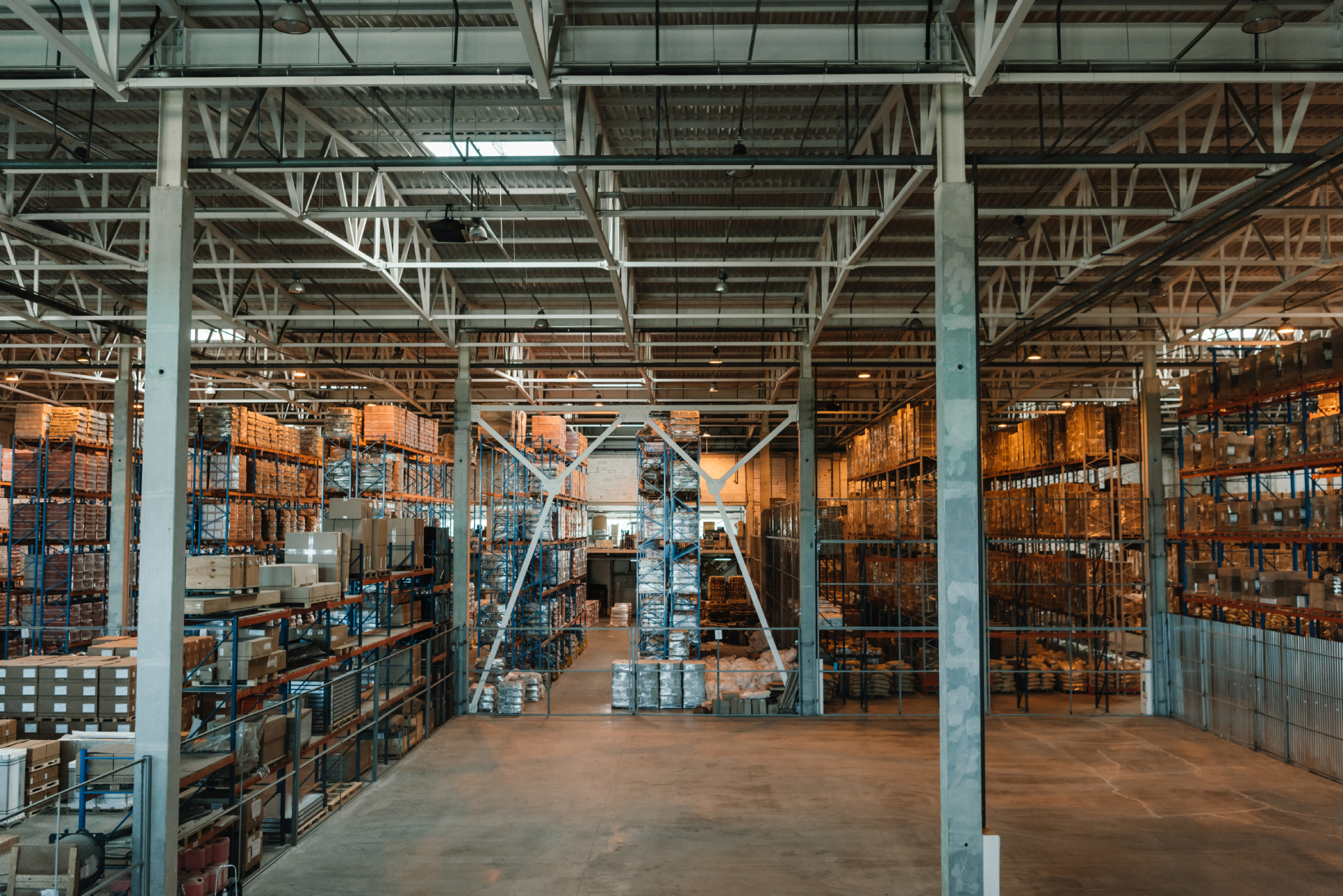
Most warehouse searches start the same way: a listings site, a square-footage filter, a price range, and a handful of tours booked around whatever looks promising. It works often enough, but it also produces a lot of signed leases on buildings that turned out to be the wrong size, in the wrong corridor, or more expensive than the rent suggested once the lease terms were read closely.
A better search runs in the other direction. It starts with how the business operates, uses that to narrow the map and the shortlist, and treats tours and lease review as a comparison exercise rather than a gut check. This article walks through that process for businesses looking for a warehouse for rent in Los Angeles, from the first requirements list to the final lease comparison.
Write Down What the Warehouse Has to Do
Before opening a single listing, put the operation on paper. How much inventory or equipment needs to fit, and how is it stored: on pallets, on shelves, on the floor, or outside? What vehicles come and go, how often, and are any of them full-size trailers? How many people work there, and how much of the space is office? What runs on power, and how much?
The answers shape everything downstream. A wholesaler moving palletized product off trailers needs dock-high loading and clear height. A contractor needs a yard, grade-level doors, and a secure place for tools. A small e-commerce operation needs packing stations, carrier access, and room for inventory to grow faster than planned. None of those businesses should be looking at the same buildings, and a clear requirements list is what keeps them from doing it.
This list doesn’t need to be exhaustive. It needs to name the three or four things the building has to get right and the things that would be nice but aren’t dealbreakers. For a fuller walkthrough of each building feature, what to look for when leasing an industrial warehouse in Los Angeles covers them one at a time.
Narrow the Map Before the Shortlist
Los Angeles is big enough that location should be a filter, not an afterthought. Plot where suppliers deliver from, where customers are, where employees live, and which freeways the trucks will actually use. That usually points to two or three corridors rather than the whole county.
Vernon and Commerce sit close to downtown and the 5, 710, and 10, which suits wholesalers and distributors serving central LA. Huntington Park, South Gate, Bell, and South Los Angeles offer established industrial stock with good access to the 110 and 710 and the port routes. Santa Fe Springs and City of Industry sit farther east along the 5 and 60, which tends to work for companies shipping across the region or toward the Inland Empire. East Los Angeles bridges several of these.
The point of narrowing early isn’t to rule out a great building in the wrong place. It’s to spend tour time where the operation will actually run well, and to avoid falling for a lower rent that costs more in driver hours every week.
Ask the Right Questions Before You Tour
A ten-minute call can save a wasted afternoon. Before scheduling a tour, ask about clear height, the number and type of loading doors, the electrical service, the office square footage, parking, and whether there’s any yard. Ask what the zoning allows and whether the intended use is a fit, since Los Angeles and the surrounding industrial cities each have their own rules and a building that physically works may not be permitted for the operation.
Ask about the lease structure too, even this early. Whether a property is triple net or gross changes the budget enough that it’s worth knowing before the tour, not after. And ask when the space is available and how long the current term options are, because a building that’s perfect but six months out may not help.
The answers won’t settle anything. They’ll just make sure the buildings that get toured are the ones that could plausibly work.
Tour Like You Already Work There
Once inside, walk the building the way a normal day would go. Start at the loading door and move product in your head: where does it land, where does it get stored, where is it picked or worked, where does it go out? If that path crosses itself, runs through the office, or squeezes past columns, the layout will cost labor every day.
Step outside and look at the loading from a driver’s seat. Can a trailer actually back to the door? Is the driveway wide enough, is there room to turn, and will parked cars block the approach at 8 a.m.? Count the parking spaces against the headcount, the fleet, and the deliveries. If there’s a yard, check whether it’s secured and whether the intended use is allowed.
Then look at the building itself: the floor, the roof, the lighting, the doors, the restrooms, the panel. A warehouse that’s been maintained is one where fewer problems land on the tenant in the first year. Take measurements, take photos if the landlord allows it, and take notes while the details are fresh. Tours blur together by the third one.
Compare Buildings the Same Way Every Time
After the tours, resist the urge to go with the one that felt right. Put every building on the same page and score it against the requirements list from the start: usable layout, loading, clear height, power, parking and yard, location, condition, and lease structure. The building with the longest feature list rarely wins. The one that matches the operation’s priorities does.
This is also where growth gets decided. A building near capacity on day one forces another move if the business grows during the term. Paying for a lot of empty space in the hope of growing into it is the opposite mistake. Make a reasonable projection and see which buildings on the shortlist can absorb it.
Read the Lease, Not Just the Rent
Two buildings with the same advertised rent can cost very different amounts to occupy. Under a triple net lease, the tenant pays base rent plus some share of property taxes, insurance, and common area or operating costs, and those pass-throughs can move from year to year. Under a gross lease, more of that is folded into the rent, though what’s included still varies by landlord.
Davood Brothers leases its Los Angeles industrial properties on a Full Service, Industrial Gross basis, which means maintenance, repairs, and utilities are built into the base rent with no CAM charges and no hidden fees. How our leasing process works lays out what that covers. Whatever structure a building uses, the comparison should be total occupancy cost, with maintenance obligations, insurance requirements, and any pass-throughs counted alongside the rent.
Finally, ask who manages the building and how. Once the lease is signed, a responsive landlord is the difference between a maintenance request handled this week and one that drags on for a month. That doesn’t show up in a listing, but it shows up in daily operations for the length of the term.
Frequently Asked Questions
How many warehouses should I tour before deciding?
Enough to compare, which for most businesses is three to five that passed the pre-tour questions. Touring more than that without a requirements list tends to blur the differences rather than sharpen them.
Is it better to search by corridor or by price range?
Corridor first. A low rent in a location that adds driver hours every day is not a saving. Narrow the map to the areas that fit the operation’s routes, then compare prices within them.
What is the biggest mistake businesses make during the search?
Starting with listings instead of requirements. A building that looks good in photos and tours well can still be the wrong size, the wrong loading configuration, or in the wrong place for the trucks. Writing down what the operation needs before looking is what prevents that.
Does warehouse location matter if most of my customers order online?
Yes. An online business still depends on carriers, suppliers, inbound deliveries, and the people who work there. A well-located warehouse shortens all of those trips and makes carrier pickups more reliable.
Can a warehouse be modified to fit my business?
Sometimes. It depends on the building, the lease terms, the zoning, and the kind of change. Identify the improvements before signing and get clear on who approves them and who pays, because an upgrade like new electrical service can be expensive after the fact.
Finding Industrial Space That Fits Your Business
The right warehouse for lease in Los Angeles is found by process more than luck: write down what the operation needs, narrow the map to the corridors that fit, ask the eliminating questions before touring, walk each building like a working day, compare them on the same criteria, and read the lease for total cost rather than advertised rent. Businesses that run the search that way tend to end up in buildings that still fit two years later.
Davood Brothers helps businesses throughout Los Angeles evaluate industrial warehouses and commercial properties based on how they operate, where they need to be, and where they’re headed. With Full Service, Industrial Gross leasing, no CAM charges, upgraded properties, and responsive property management, the goal is space that works on day one and still works as the business grows.
If your company is searching for warehouse space for rent in Los Angeles, contact Davood Brothers to discuss available industrial properties and schedule a tour of spaces that fit your requirements.
Call us at (323) 327-0207 or visit www.DavoodBrothers.com to learn more.